There's a moment during a tree planting that always catches families off guard. Your child kneels down in Israeli soil, places a young sapling into the earth, packs the dirt around it with their own hands, and then stands up and looks at what they just did. Something they planted is going to grow here — in Israel — long after they've flown home.
For a kid who just became a bar or bat mitzvah, that's a powerful metaphor. You've taken on new responsibilities. You're growing into who you're going to be. And now there's a tree in the land of Israel growing alongside you.
Planting a tree in Israel for a bar mitzvah is one of the most beloved Jewish traditions families can incorporate into their Israel trip, and it's one of the most meaningful add-ons to a bar or bat mitzvah celebration that I recommend. It's simple, it's hands-on, kids genuinely love it, and it creates a lasting, living connection between your child and the land of Israel.
If you're planning a bar or bat mitzvah in Israel and considering a tree planting for your bar mitzvah experience, here's everything you need to know — the history, the logistics, the cost, and how to make it part of an unforgettable celebration.
The Jewish Tradition of Planting Trees in Israel
The tradition of planting a tree in Israel is deeply rooted (yes, I hear the pun) in Jewish history and values.
The Talmud teaches that when you arrive in the land of Israel, you should first plant a tree. Tu B'Shvat, the Jewish "New Year for Trees," has been celebrated for centuries as a day to honor the connection between the Jewish people and the land of Israel through planting. And the Torah itself commands us not to destroy fruit-bearing trees even in wartime — a recognition that trees represent life, sustenance, and hope for the future.
In the modern era, planting trees in Israel became a central Zionist project. As Jewish communities rebuilt a homeland in what was often arid, barren land, tree planting became both practical (preventing erosion, creating forests, greening the landscape) and symbolic (renewal, growth, putting down roots). Organizations like the Jewish National Fund (JNF/Keren Kayemeth LeIsrael) have planted over 250 million trees in Israel since 1901, transforming the landscape and making tree planting one of the most recognized Jewish traditions worldwide.
For generations, Jewish families around the world have marked milestones — births, weddings, memorials, and yes, bar and bat mitzvahs — by planting a tree in Israel. Many of us grew up dropping coins into blue JNF boxes in Hebrew school. But there's a massive difference between donating to have someone else plant a tree on your behalf and actually kneeling in Israeli soil and doing it yourself with your child.
That's what makes planting a tree in Israel for a bar mitzvah trip so special. It's not a donation receipt. It's dirt under your fingernails. It's real.
Why Plant a Tree in Israel for a Bar or Bat Mitzvah?
A bar or bat mitzvah is about a child taking on responsibility — stepping into Jewish adulthood and committing to something bigger than themselves. Planting a tree in Israel for a bar mitzvah aligns perfectly with those themes in ways that even skeptical teenagers appreciate.
It's about responsibility. When your child plants a tree, they're taking responsibility for something living. That tree needs water, sunlight, and care to survive — just like the Jewish values and commitments a bar or bat mitzvah child is taking on. The parallel isn't forced; kids get it intuitively.
It's about continuity. That tree will grow in Israel for decades — maybe centuries. Long after your child has graduated college, started a career, had their own kids, that tree will still be growing in the land of Israel. Planting a tree in Israel for a bat mitzvah or bar mitzvah creates a living, breathing connection between your child and the Jewish homeland that lasts beyond any ceremony or celebration.
It's about giving. Becoming a bar or bat mitzvah means taking on the obligation of mitzvot — good deeds, commandments, acts of kindness. Planting a tree in Israel is an act of tikkun olam (repairing the world) that your child does with their own hands. It's environmentalism, it's Zionism, and it's Judaism all wrapped into one beautiful gesture.
Kids love it. I know that's a simple reason, but it matters. In a trip full of historical sites and ancient stones and adult emotions, a tree planting gives kids something physical and active to do. They get their hands dirty. They create something. And they walk away knowing that something they built is alive and growing in Israel. After years of recommending tree planting for bar mitzvah celebrations, I can tell you — it's consistently one of the highlights of the trip for the kids.
Where Can You Plant a Tree in Israel for a Bar Mitzvah?
There are several locations across Israel where families can arrange to plant a tree in Israel for a bar mitzvah. The options range from organized planting centers to more private, customized experiences.
JNF/KKL Planting Centers
The Jewish National Fund (JNF), known in Israel as Keren Kayemeth LeIsrael (KKL), operates official tree planting centers where families can plant trees in Israel as part of a guided experience.
The most popular JNF planting center for tourists is in the Aminadav Forest near Jerusalem — conveniently close to the city and easy to incorporate into a bar or bat mitzvah trip that includes Jerusalem touring. The Aminadav Forest sits in the Judean Hills, with beautiful views and a peaceful atmosphere.
Other JNF planting sites are located in the Negev Desert (where reforestation efforts are actively expanding the green belt), in the Galilee (lush northern forests), and near the Dead Sea region.
At a JNF planting center, your family receives saplings, tools, and guidance. A coordinator explains the planting process, helps you with the actual planting, and can provide a certificate commemorating the occasion. The experience typically takes about 30–60 minutes, and the setting is beautiful — rolling hills, established forests, and the satisfying sight of your freshly planted tree joining the landscape.
Private and Custom Tree Planting Experiences
For families who want a more intimate or personalized tree planting for their bar mitzvah trip, custom experiences are available outside the JNF framework. Some private guides and organizations can arrange plantings at specific sites — farms, kibbutzim, nature reserves, or even private land — where the experience feels more exclusive and personal.
I can help families arrange custom tree planting experiences as part of their bar or bat mitzvah trip. Whether you want to plant at a JNF site, on a kibbutz, or in a more secluded, off-the-beaten-path location, I'll coordinate the logistics.
Combining Tree Planting with the Ceremony
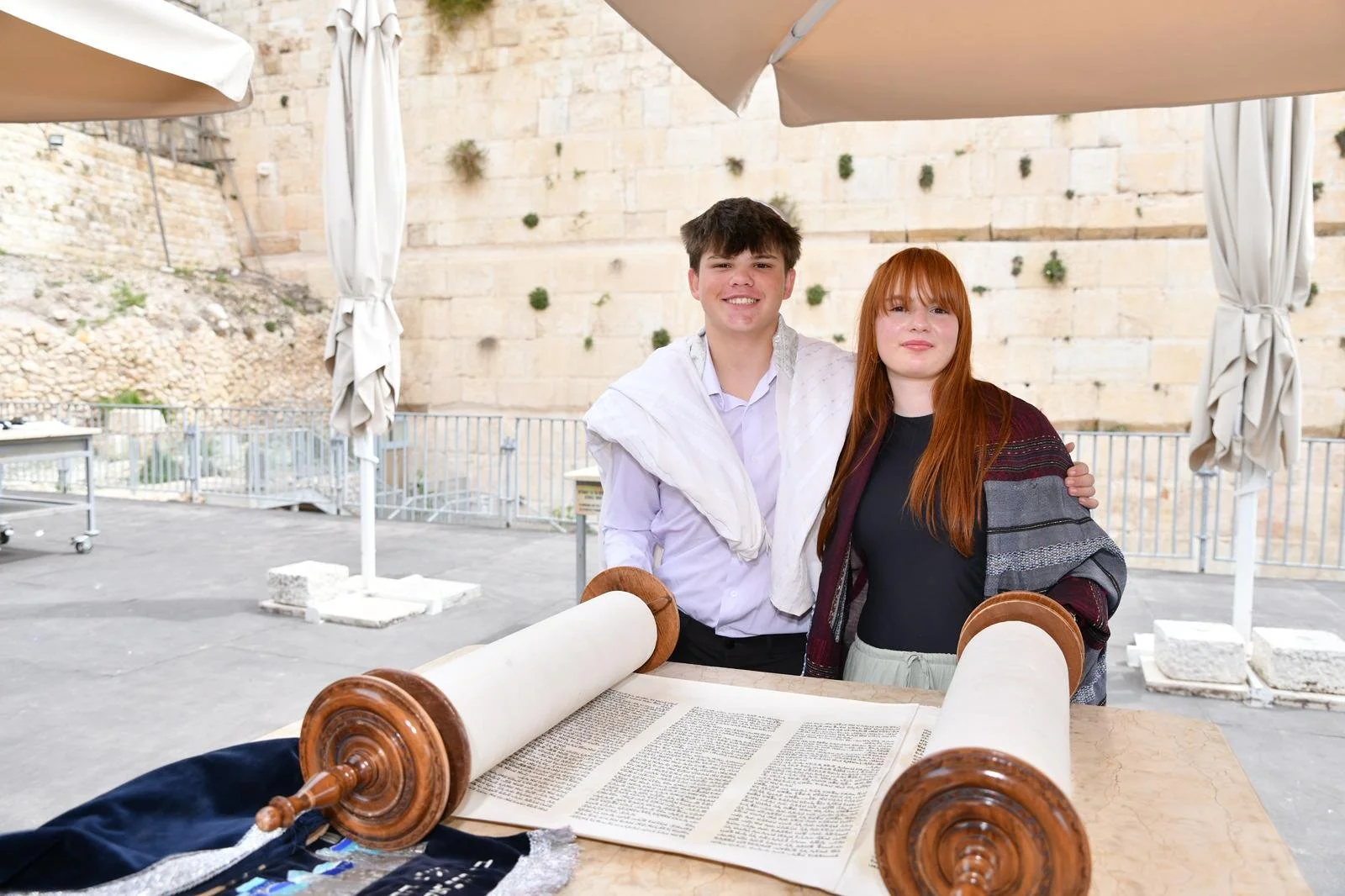
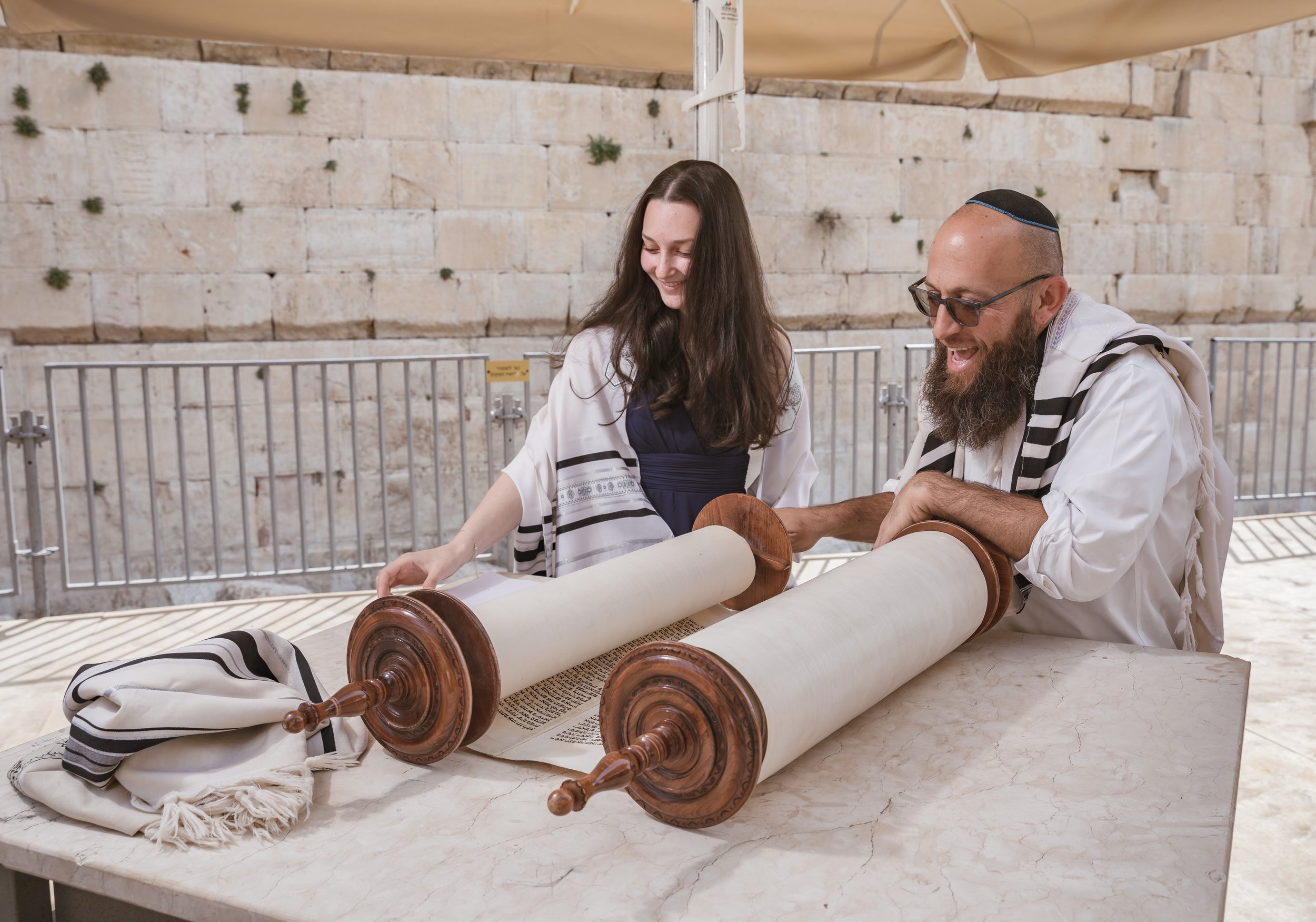
Some families choose to make the tree planting part of the bar mitzvah ceremony itself rather than a separate activity. This can be beautiful — planting the tree right after the Torah reading, saying a blessing over the sapling, and incorporating the symbolism of growth and rootedness into the service.
I've officiated bar and bat mitzvah ceremonies where the tree planting happened immediately after the formal ceremony, with the family circling the newly planted tree and singing together. It adds a tactile, earthy element to the celebration that contrasts beautifully with the formality of the Torah reading. If this idea appeals to you, it's something we can build into your ceremony plan.
Want to add a tree planting to your family's bar or bat mitzvah trip to Israel?
Contact Rabbi Avi → Plan your ceremony and tree planting experience
No deposit required. Rabbi Avi can coordinate the tree planting as part of your complete Israel experience.
How Much Does It Cost to Plant a Tree in Israel for a Bar Mitzvah?
The cost of planting a tree in Israel for a bar mitzvah is one of the most affordable add-ons you can include in your trip.
JNF/KKL tree planting: The standard JNF tree planting donation is approximately $18 per tree (the number 18 is significant in Judaism — it represents "chai," meaning life). Some families plant one tree for the bar or bat mitzvah child; others plant multiple trees for different family members. A planting experience for a family group typically runs $50–$150 total including multiple trees and the site coordination.
Custom or private planting experiences: If you want a more personalized setup — a specific location, a private coordinator, or a planting integrated into your ceremony — costs may run $100–$300 for the coordination and logistics, depending on the location and level of customization.
Certificates and dedications: Both JNF and private planting services can provide certificates documenting that trees were planted in Israel in honor of your child's bar or bat mitzvah. JNF certificates are typically included in the donation. These make meaningful keepsakes and can also be sent to family members who couldn't make the trip — "a tree was planted in Israel in honor of [child's name] becoming a bar/bat mitzvah."
Bottom line: Planting a tree in Israel for a bar mitzvah is one of the most affordable and meaningful additions you can make to your trip. For less than the cost of a single restaurant meal, your child gets a living, growing connection to the land of Israel.
How to Arrange a Tree Planting for Your Bar Mitzvah Trip
If you want to plant a tree in Israel for your bar mitzvah trip, here's how the logistics typically work:
Through JNF/KKL directly: You can contact JNF before your trip to arrange a planting session at one of their designated sites. They'll coordinate the date, time, and location. Their website allows you to book online, or you can call their offices in the US or Israel. If your trip includes a tour guide, they can usually arrange this as well.
Through your rabbi or tour guide: This is the easiest approach if you're already working with someone in Israel for the ceremony. When families work with me, I coordinate the tree planting as part of the overall trip itinerary — choosing the best site based on your schedule and routing, making the arrangements, and building it into a day that flows naturally alongside your other activities.
Timing in your itinerary: A tree planting for a bar mitzvah typically works best on a touring day — either on the way to or from another activity. The Aminadav Forest near Jerusalem, for example, can be worked into a day that includes the Israel Museum, Yad Vashem, or other Jerusalem-area sites. Plantings in the Negev can pair with a day trip toward Masada or the Dead Sea. The experience itself takes 30–60 minutes, so it's easy to fit into a full day without feeling rushed.
What to wear and bring: Comfortable clothes you don't mind getting dirty. Closed-toe shoes (not sandals). Sunscreen and a hat if it's a warm day. A camera — the photos of your child planting their tree are keepers.
Making the Tree Planting Meaningful: Blessings and Rituals
A tree planting in Israel for a bar mitzvah can be as simple or as ceremonial as your family wants. Here are ways to add depth to the experience:
Say a blessing. There's a traditional Hebrew blessing for planting trees, and I teach it to families who want to incorporate it. It's short, beautiful, and gives the moment a formal Jewish framework. Even families who aren't traditionally observant find that saying a blessing while their child plants a tree in Israel adds something powerful.
Read or recite a passage. Some families choose a Torah verse, a poem, or a personal statement to read aloud during the planting. Psalm 1 — which compares a righteous person to "a tree planted by streams of water" — is a popular and fitting choice for a bar mitzvah tree planting ceremony.
Plant trees for others. Many families don't just plant one tree — they plant trees in honor of grandparents, family members who've passed away, or loved ones who couldn't make the trip. Each tree becomes a living memorial or tribute, which adds emotional depth to the experience.
Create a family moment. Have each family member put a handful of soil around the tree. Take a family photo with the newly planted sapling. Let the bar or bat mitzvah child say a few words about what the tree means to them. These small gestures turn a 10-minute activity into a memory that lasts decades.
Time capsule variation. Some families write a letter to their child's future self and bury it near the tree (in a waterproof container). The idea is that someday — maybe when the child returns to Israel as an adult — they can revisit their tree and read the letter. It's a beautiful, creative way to extend the meaning of planting a tree in Israel for a bar mitzvah beyond the moment itself.
Tree Planting as a Bar Mitzvah Gift or Favor
Beyond the in-person planting experience, planting trees in Israel works beautifully as a bar or bat mitzvah gift or party favor — whether your ceremony is in Israel or at home.
As a gift from guests: Instead of (or in addition to) traditional bar mitzvah gifts, some families ask guests to plant trees in Israel in the child's honor. JNF provides gift certificates that make this easy. It's a meaningful alternative to another video game or gift card.
As a party favor: For families having a celebration in Israel or a separate party back home, certificates announcing that "a tree was planted in Israel in honor of [child's name]'s bar/bat mitzvah" make beautiful, meaningful favors. They cost very little and communicate that your family values substance over stuff.
As a family tradition: Some families plant a tree in Israel at every major milestone — birth, bar mitzvah, graduation, marriage. Over the years, the family builds a small grove of trees in Israel, each marking a chapter in the family's story. Starting that tradition at the bar or bat mitzvah is a beautiful first step.
Want to include a tree planting in your bar or bat mitzvah trip to Israel? Rabbi Avi can arrange everything.
Contact Rabbi Avi → Plan your ceremony, touring, and tree planting
No deposit required. No detail too small.
Frequently Asked Questions About Planting a Tree in Israel for a Bar Mitzvah
How much does it cost to plant a tree in Israel for a bar mitzvah?
The standard JNF donation for planting a tree in Israel is approximately $18 per tree. A family planting experience — multiple trees plus site coordination — typically runs $50–$150 total. Custom or private planting arrangements may cost $100–$300 depending on location and logistics. It's one of the most affordable additions to a bar mitzvah trip.
Where can you plant a tree in Israel for a bar mitzvah?
The most popular location for planting a tree in Israel for a bar mitzvah is the Aminadav Forest near Jerusalem, operated by JNF/KKL. Other options include planting sites in the Negev Desert, the Galilee, and near the Dead Sea. Private arrangements at kibbutzim, farms, and other locations are also available.
Can you plant a tree in Israel without going in person?
Yes. JNF and other organizations allow you to donate to have a tree planted in Israel in someone's honor without being there. But if you're already traveling to Israel for a bar mitzvah, the in-person experience of your child actually planting the tree with their own hands is something a donation certificate can't replicate.
Can the tree planting be part of the bar mitzvah ceremony?
Absolutely. Some families incorporate the tree planting into the bar mitzvah ceremony itself — planting the tree right after the Torah reading, with blessings and family participation. I've built tree plantings into ceremonies beautifully, and it adds a unique, earthy element that families love.
How do I arrange a tree planting in Israel for our bar mitzvah trip?
The easiest approach is to coordinate through your rabbi or tour guide — I handle tree planting logistics for the families I work with, building it into the trip itinerary seamlessly. You can also contact JNF/KKL directly to book a planting session at one of their designated sites.
What age is appropriate for a tree planting in Israel?
All ages. Planting a tree in Israel for a bar mitzvah is meaningful for the 13-year-old celebrant, and younger siblings, parents, and grandparents can all participate and plant their own trees. It's a true family activity.
Will my tree actually survive and grow?
Yes. JNF planting sites are professionally managed with irrigation and ongoing care, especially in the early years. The saplings families plant have a high survival rate. Many families return to Israel years later and visit forests their trees have become part of — seeing the growth over time adds another layer of meaning.